
A free virtual internship with a certificate is worth doing if it asks you to produce something, tests you fairly and gives you a certificate that anyone can check. This post explains how ours works, week by week, so you can decide with the facts. It also gives you a short test to use on any internship offer.
One fact about our own programme, so you can judge everything here fairly. The EDWartens internships are a training programme, not employment. The Free internship is 4 weeks, online and self-paced, with all four weeks open on day 1. It has lesson cards and a weekly check. You also work in the Virtual Workplace, a simulated plant or office with AI colleagues, and AI marks your hand-ins. There is no stipend, and we do not promise a job, an interview or a placement.
What does a free virtual internship include?
Ours is 4 weeks, online and self-paced. All four weeks are open on day 1, so you can go fast or slow, in the evening or at the weekend. Each week has lesson cards, which are short notes with a diagram or a video, and a weekly check to test what you took in.
The practical part is the Virtual Workplace. It is a simulated plant or office, and the colleagues are AI characters, clearly labelled as simulated. Each week a colleague sends you a brief, and you hand in a real piece of work, such as a ladder program, a calculation sheet or a quality document. The free part has 5 Virtual Workplace days: an induction, then one a week. AI marks your hand-ins and tells you what to fix. Read more on the Virtual Workplace page.
Which engineering students is it for?
It suits students and fresh graduates in electrical, electronics, instrumentation, mechanical, civil and computer branches who want practice before their first job interview. The tracks sit in four groups: Automation; Electrical & Energy; Building, Quality & Projects; and AI, Data & Security. There are 21 internships in all, and about 855 internships have been started so far (as of 8 November 2026). You pick one track, not all of them.
Good starting points for engineers are the PLC internship, the MEP internship and the QA/QC internship. Browse every track on the internships page.
How does the final exam work?
The Free internship ends with a final exam of 15 multiple-choice questions. You have 60 minutes, you pass at 60%, and it opens full screen and is marked automatically. You get 3 tries; after that a fresh paper opens 24 hours later. When you pass, you can claim the free certificate. It shows your real start and finish dates and your active hours, and it carries a QR code so anyone can verify it. How the certificates work explains what each one shows.
The rules are simple on purpose. A pass mark of 60% means you need to understand the material, not memorise it. Three tries and then a fresh paper after 24 hours means a bad day does not end your attempt, while the full-screen, automatic marking keeps the result fair to everyone who passes.
What does the free certificate show?
It shows the track, your real start and finish dates, and your active hours. It has a QR code that opens a page where anyone can check it. It does not show a grade, and it does not say you were employed. That honesty is the point: a certificate is only useful if the person reading it can trust every line.
What does the paid edition add?
If you want a person to look at your work, the paid Engineer-verified edition runs for 4, 8 or 12 weeks (4 or 8 weeks on the newest internships). An engineer reviews what you hand in, and the documents are signed by Brijin Chacko. Details and prices, shown in your own currency, are on the Engineer-verified page.
The paid edition is optional. Many students finish the free internship, add the certificate and the hand-ins to their portfolio, and stop there. Others want the review and the signed documents. Both routes are fine, and the free one is complete in itself.
How to judge any free internship offer
Use these checks on every offer you see, ours included.
- Is it clear whether it is training or employment? If it is training, nobody should pay you or promise you a job.
- Can you see the syllabus before you join? Week titles and tasks should be public.
- Is the certificate verifiable? Look for a QR code or a verification page, not just a PDF.
- Does it show real dates and hours? A certificate with no dates tells a reader nothing.
- Are there hidden fees? A free internship should say what is free and what is paid, in plain words.
- Is there real work to show? Hand-ins and projects matter more than the badge.
Will a university count it?
Maybe, but the decision always belongs to your own institution. Some universities allow online internships towards their internship requirement, and some do not. We do not claim approval from UGC, AICTE or any university. Our post on whether a virtual internship counts for college credit explains how to ask, and what to bring.
How to start
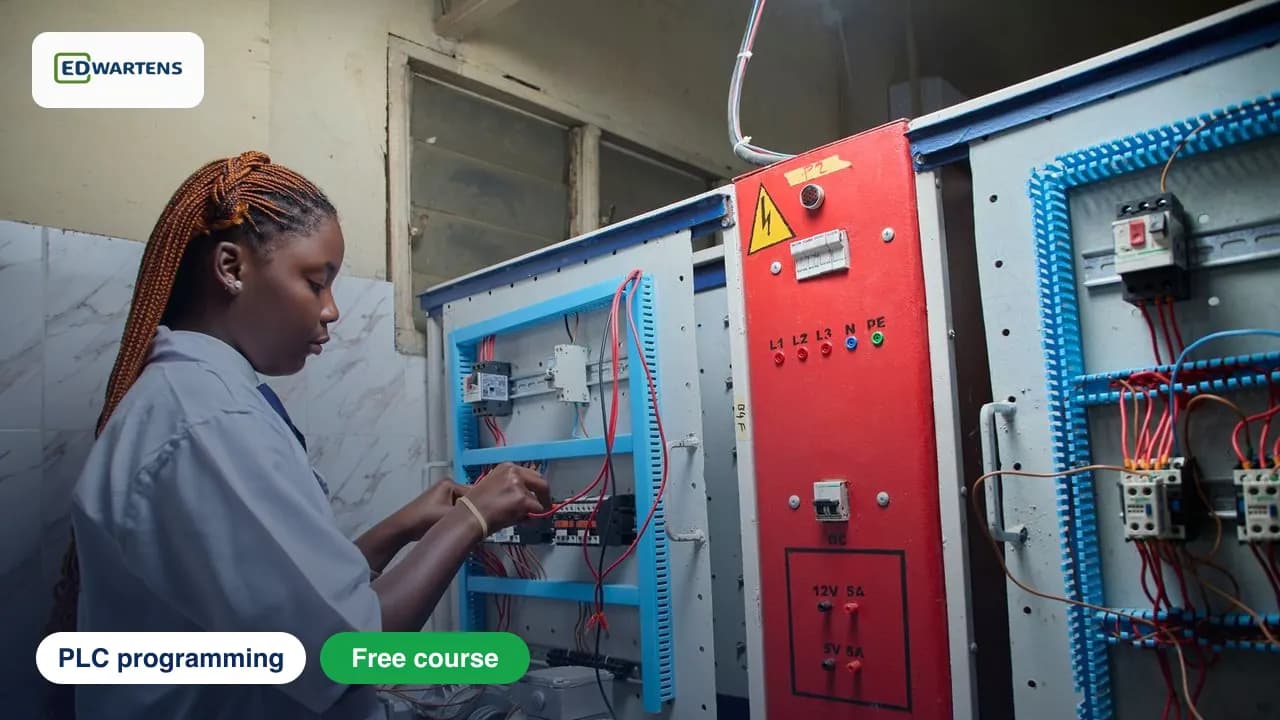
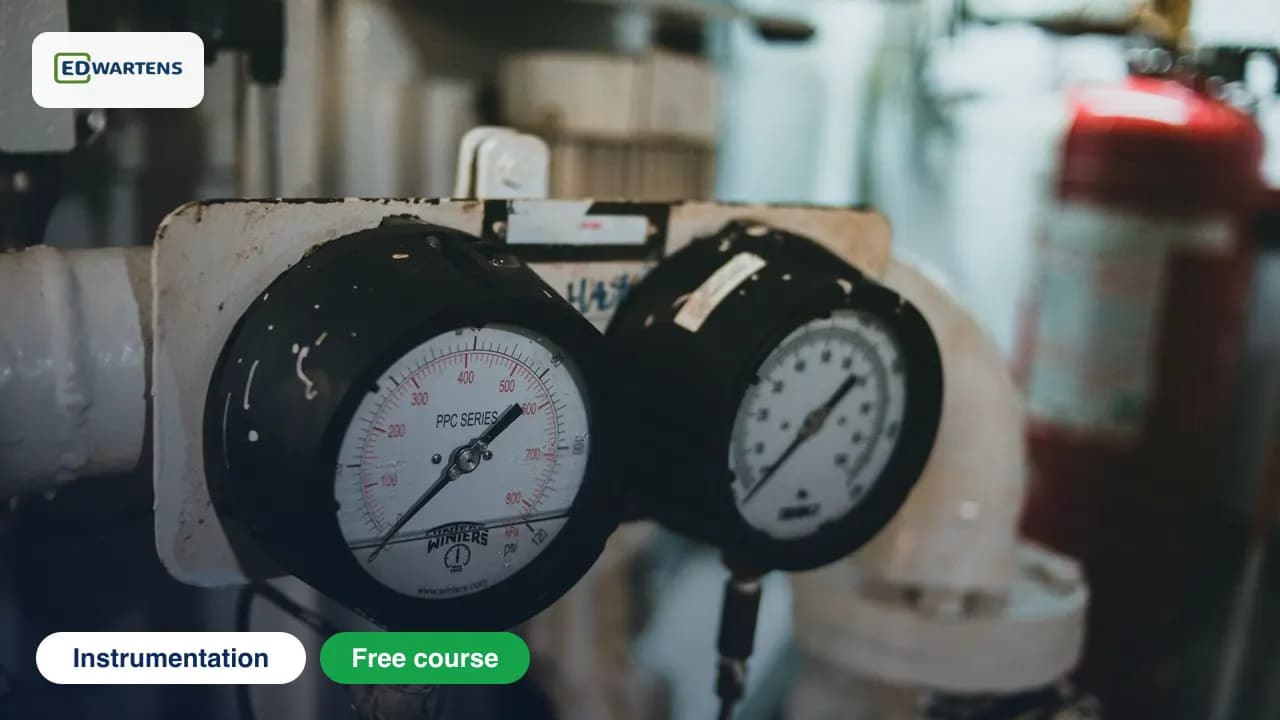
Pick a track on the internships page, open week 1 and read the first card. If you want to see how the certificates look before you start, read how the certificates work. If you would like to build the basics first, our free courses on CODESYS and IEC 61131, electrical fundamentals for technicians and instrumentation for PLC engineers are a good warm-up.
Last reviewed 9 Nov 2026.
Practise with us
Internship
PLC Programming
Free internship: 4 weeks, a free certificate and nothing to buy. The Engineer-verified internship adds an engineer's review and the graded certificate.
See the internshipRoles
PLC and automation
Roles that ask for this skill, 180 open in this country now. Free to see and to apply. We are not a recruitment agency.
See rolesTake the free course

Questions
Is the virtual internship really free?
Yes. The Free internship is 4 weeks online and costs nothing to join, and the certificate you claim on passing the final exam is free as well. A paid Engineer-verified edition exists for people who want an engineer to review their work, but you do not need it to finish the free one.
Do I get a certificate, and can anyone check it?
Yes. When you pass the final exam you can claim the free certificate. It shows your real start and finish dates and your active hours, and it has a QR code that opens a verification page, so a lecturer or recruiter can confirm it is genuine.
How long does it take, and do I have to log in at set times?
The programme is 4 weeks, all four weeks are open on day 1, and it is self-paced. There are no fixed class times. Your certificate shows the hours you were actually active, so the record is honest about the time you put in.
Is this a job or a paid internship?
No. It is a training programme, not employment. There is no stipend, and we do not promise a job, an interview or a placement. Treat it as structured practice with a record you can show, and keep applying for real roles alongside it.
Will my college accept it for credit?
That is your institution's decision, not ours, and we do not claim approval from any university or regulator. Ask your training and placement cell or department before you start, and keep the certificate and your hand-ins ready to show them.
Sources
- UGC, University Grants Commission (home page, read 9 November 2026)
- AICTE, All India Council for Technical Education (home page, read 9 November 2026)
- NACE, internship definition and good practice (read 9 November 2026)
Written by the EDWartens engineering team for general education. Product names are trademarks of their owners; mentioning them does not imply endorsement. Prices and terms of other providers were checked on the date shown and can change.

Internship for First Year Students: What Is Realistic

Internships for Electrical Engineering Students

Remote Internships for Engineering Students

Summer Internship 2027: A Month-by-Month Plan

Virtual Internship: Worth It? How to Make It Count

Winter Internship 2026: What to Do in 4 to 6 Weeks