Learning path · Aimed at a building services (MEP) engineer
Building services engineer
For learners heading to consultants and contractors who design the electrical and lighting side of buildings.
You start with the first course. The next one is added when you are halfway through the one you are on.
What you can do at the end
Finish the path and you can do this
- Design the electrical loads for a building.
- Model electrical services in Revit MEP.
- Plan lighting in DIALux evo, and describe how a building management system controls it all.
A path teaches skills. It does not promise a job, an interview or a salary.
Why these courses together
Each course builds on the last
- 1Electrical design first: the loads decide the cables, the lighting and the model.
- 2Revit MEP and DIALux then show the same building as a BIM model and as a lit space.
- 3The BMS course closes the path with how the finished building is controlled.
A planned order also saves the time you would spend choosing what to learn next, and you finish with one story to tell: what you learnt, in order.
The roadmap
4 courses, in this order
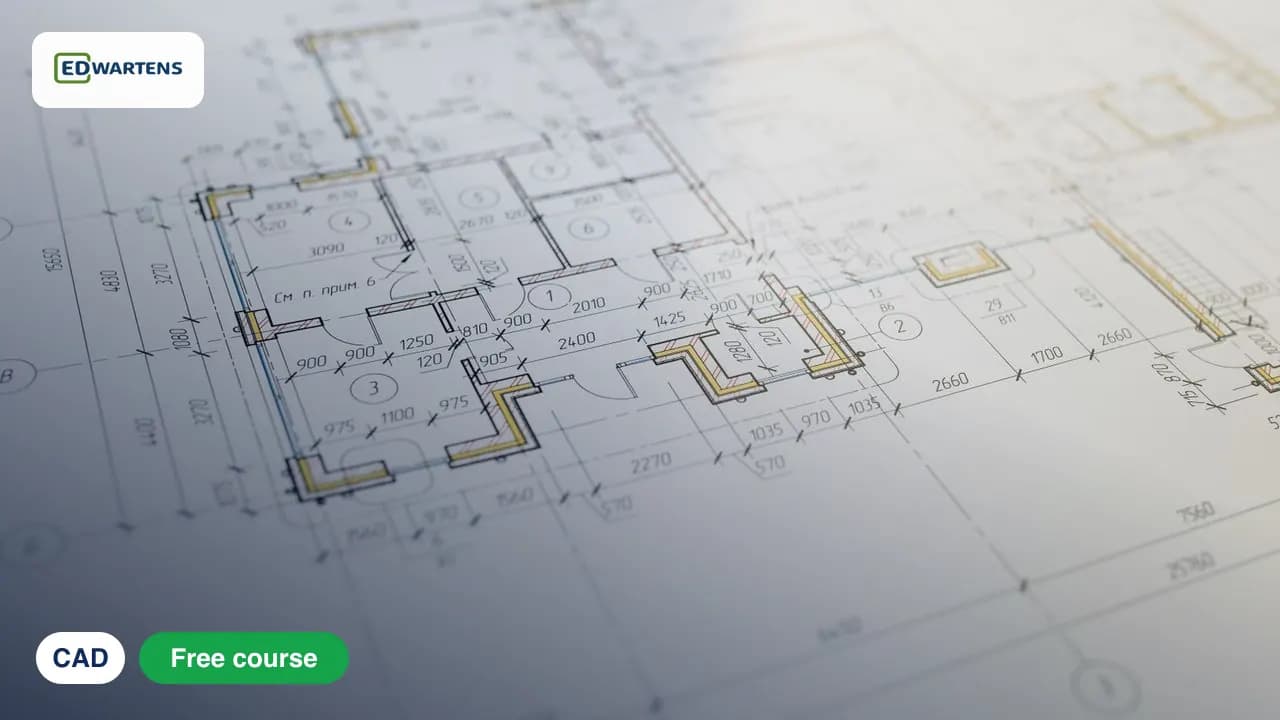
Step 1: Electrical Design Engineering: Loads, Cables, Breakers and Distribution
Adds: Free electrical design course for engineers: estimate loads, size cables and breakers, draw single-line diagrams. The certificate is optional and paid.
Step 2: Revit MEP: Electrical BIM, HVAC, Plumbing and Documentation
Adds: Free Revit MEP course for beginners: model electrical, HVAC and plumbing, circuit panels, make panel schedules and sheets. The certificate is optional and paid.
Step 3: DIALux evo Lighting Design: Interior, Daylight and Documentation
Adds: Professional lighting simulation with the free industry tool: interface and settings, importing DWG plans, building outlines, rooms, floors, doors, windows and roofs, spaces, ceilings, cut-outs and stairs, furniture and materials, luminaire catalogues and selection, automatic arrangement and lux calculation, lighting fundamentals with CRI and manual calculation, daylight, architectural techniques with cove and linear luminaires, raytraced images, documentation and export to AutoCAD, and a complete house project.
Step 4: Building Management Systems (BMS): HVAC Control, BACnet and Building Automation
Adds: Free BMS course for engineers moving into buildings: HVAC control, BACnet, point lists, commissioning. Learning is free; the certificate is optional and paid.

4
courses
50
modules
66h 11m
of video in total
Example: at 5 hours a week, the video alone takes about 14 weeks. Practice tasks and the finals come on top, and you set the pace.
Practise what you learn in the free 3D lab
Technical work is judged on what you can do: wiring, commissioning, finding a fault. Doing a task yourself teaches more than watching it a second time, and a lab lets you try it safely before you meet real equipment. It does not replace working on real hardware.
What you get
What joining gives you
- Every course is free, with lifetime access and no card.
- Video lessons by credited independent creators, with our written notes and worked examples.
- A practice task per module, and one final assessment per course.
- Ask-an-engineer support.
- Optional verifiable certificate for each course you pass, US$23.99 for a beginner course. There is no single certificate for the whole path.
- One course at a time: you start with the first, and the next is added when you are halfway through it.
- Each course keeps its own progress. You can open any course on its own at any time.
Put it into practice
Then try it in an internship
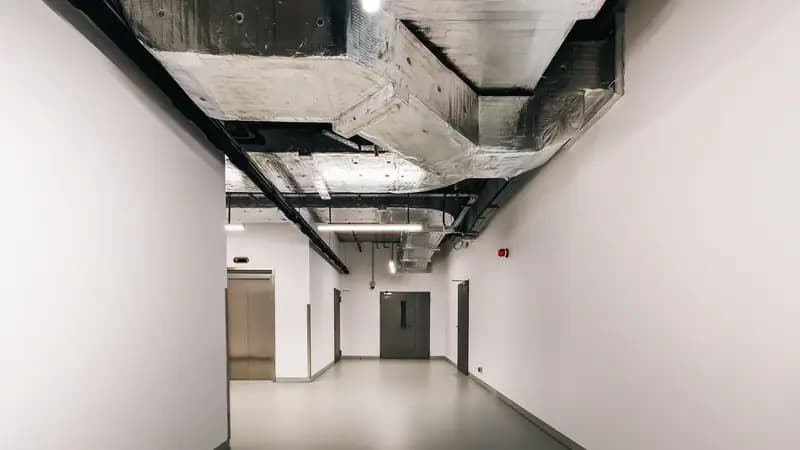
MEP and Building Services Internship
Eight short weeks of mechanical, electrical and plumbing services in buildings, from HVAC and fire fighting to BIM coordination and handover: notes, diagrams, a few videos and worked exercises.
The MEP and Building Services internship is the closest match: it covers the whole building, with electrical services and BIM coordination in its later weeks, but not Revit or DIALux.
The Free internship is 4 weeks with a free certificate. It is training, not employment, and the Engineer-verified internship is optional.
Questions
Questions about this path
Is the Building services engineer free?
Yes. Every course in the path is free in full: lessons, notes, practice tasks and the final assessment. The only paid item is the optional EDWartens Certificate of Completion for each course.
What happens when I join the path?
You are enrolled on the first course straight away. The next course is added to your account when you are about halfway through the one you are on, so you never face a pile of unstarted courses. Each course keeps its own progress, notes and final.
In what order should I take the courses?
In the order listed: each course is placed after the ones it builds on. Every course also stands alone, so you can open any of them from the list.
Do I get one certificate for the whole path?
No. Certificates are per course, issued when you pass that course's final assessment, and you only buy one if you want it. Finishing every course gives you one optional, verifiable certificate for each.
How long will it take?
The video alone is about 66h 11m. Notes, practice tasks and the finals take extra time, and you go at your own pace.
Do I have to do the internship?
No. It is a separate, optional step. The MEP and Building Services Internship is training, not employment: the Free internship is 4 weeks with a free certificate, and the Engineer-verified internship is optional.
Ready to start Building services engineer?
You start with the first course. The next one is added when you are halfway through the one you are on.
Other paths
- Siemens engineer path
- Rockwell engineer path
- PLC foundations
- SCADA specialist
- Process control
- Industrial robotics
- Machine-builder PLCs
- IEC 61131 and software PLCs
- Electrical and mechanical fundamentals
- Electrical design engineer
- Power systems and electrical design
- Mechanical and product CAD
- IIoT and OT security
- Control theory to the loop
- Japanese PLC platforms
- AI foundations for engineers
- Applied AI engineer
- Industrial AI engineer
- Civil and structural engineer
- Automotive quality engineer
- Continuous improvement lead